
User-Focused Scheduling Interface for Marcus Evans
Discover how we transformed a complex administrative workflow into an elegant, user-centric scheduling application that dramatically reduces operational friction.

UX Excellence Trusted By Leading Organisations



Carefully Crafted & Beautiful
According to Forrester Research, a well-conceived, frictionless UX design can yield conversion rates up to 400%, proving that functionality must be felt, not just engineered.
When done brilliantly, you notice. You notice the moment of joy and wonder of how simple, easy and effortless it is. You notice how fast it is. You notice later on how easy it is to enhance, extend, or integrate with software engineering architectures.
These practices form the basis of everything we do as people-focused technologists. We put people first, the technology second, and the robust innovation follows.
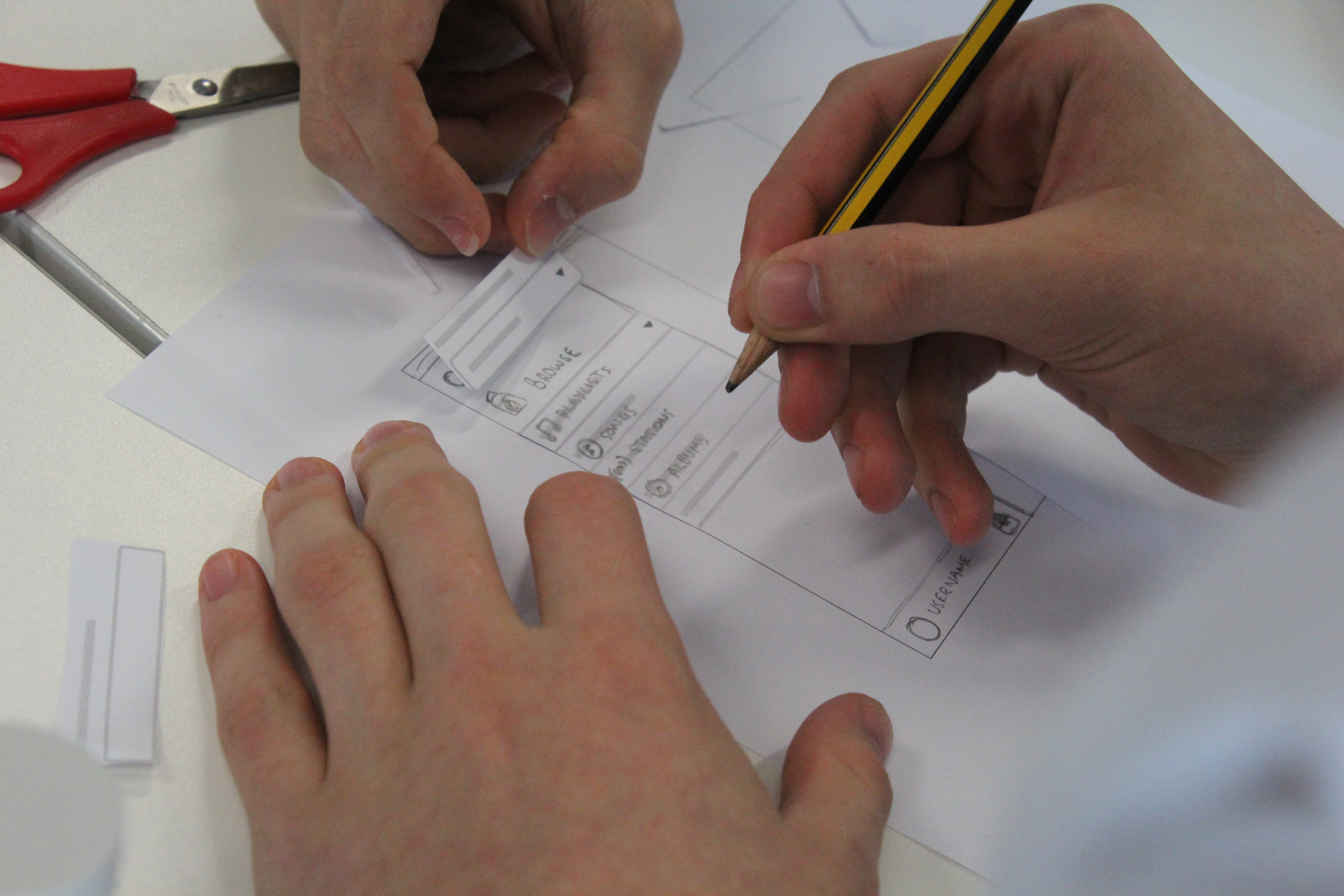
Turning abstract requirements into physical solutions.
Fail Fast, Win Faster
Before a single line of code is written, we prove our concepts in reality. By stripping away digital distractions, paper prototyping allows users to intuitively navigate an interface without fearing they might "break" the app. Read more about this technique in our insight article: User testing like they used to.
How Do You Achieve A Brilliant User Experience?
We don't just ask users what they want. We watch what they actually do. We have a different perspective, enabling us to dig down and find out what really goes on.
We take rides in the vans, we go on the shop floor, and we observe workflows. It is a rigorous process of enablement and understanding.
We get your people fully involved. They inspire the solution, and then the idea seamlessly becomes theirs to propagate internally.
We leverage wireframing, mood boards, and prototypes to distil raw discovery insights into beautiful, performant interface designs.
These tools are prevalent in our innovation sprints. Once adoption begins, we use data analytics to monitor and iterate constantly.
Tell us about your users' frustrations or your next big app idea. We'll outline how our design sprints can drastically improve the trajectory of your digital product.
Loading secure form…
Your Next Move
Take a look at how we've helped organisations like yours de-risk their innovation by building highly intuitive, people-first technological solutions.