

Escaping the Busywork: UsingData to Automate Low-Value Tasks
"Humans are beautifully equipped to handle nuance, but we are disastrously bad at spotting microscopic changes in repetitive text. The real human job is deciding what to do once the machine spots the change." - Razor Technology, Manufacturing AI Practice
Ready to harness the power of AI?
Discover how intelligent data solutions can transform your complex challenges.
Manual purchase order processing is one of manufacturing’s most persistent hidden costs. According to The Hackett Group, best-in-class manufacturers process a purchase order for $3.29 in total cost; median performers spend $16.93 - a 5x gap driven primarily by manual data handling and exception management. For a mid-market manufacturer receiving thousands of POs per month, that differential represents hundreds of thousands of pounds in recoverable operational cost annually.
But as a manufacturer grows, the volume of these unstructured documents skyrockets. Every client uses a different format. They refer to products or quantities in slightly different ways. To a human, deciphering these variations is intuitive-but at scale, this manual translation becomes a costly, sluggish anchor on operations.
It’s the perfect area where a marginal gain would make a massive bottom-line impact. Yet, because of the sheer complexity and the human intuition historically required to understand them, this process was viewed as far too difficult to automate.
Data is not just for dashboards and forecasting. By approaching the problem laterally, Razor recognised that purchase orders - regardless of supplier format - are essentially structured images. This insight unlocked a three-stage intelligent document processing (IDP) pipeline, combining computer vision, Natural Language Understanding, and enterprise API integration.
Razor engineered a solution to turn these static images into dynamic, automated workflows.
Phase 1: Visual Dissection
An object-detection model, trained on the client’s historical purchase order corpus, segments each incoming document into discrete structured zones: vendor header, line-item table, quantity fields, delivery address, and the Terms & Conditions block. By targeting layout structure rather than raw text, the system bypasses the inconsistency of supplier-specific formatting entirely.
Phase 2: Meaningful Extraction
A Natural Language Understanding (NLU) classification model - fine-tuned on the client’s order language, including product naming conventions, abbreviations, and unit-of-measure variants - extracts and normalises key fields: product SKU, quantity, unit price, requested delivery date, and payment terms. The model resolves supplier-specific terminology (e.g. ‘pcs’, ‘units’, ‘ea’) into the client’s internal ERP field schema, eliminating the manual translation step entirely.
Phase 3: Backend Automation
The trained model feeds validated, normalised order data via a REST API directly into the client’s ERP system, automatically raising the purchase order and triggering the fulfilment workflow - without any human data entry. Standard orders (those where no Terms & Conditions changes are detected) proceed end-to-end without human intervention. The model was trained on the manufacturer’s full historical purchase order archive, learning to handle all active supplier formats independently.
The deployment produced two measurable outcomes: it eliminated manual purchase order data entry as a job function, and it introduced a systematic compliance safeguard that human review had never reliably provided. Staff previously assigned to routine order processing were redeployed to supplier relationship management and exception handling - roles that directly contribute to negotiated cost savings and on-time delivery performance.
Frictionless Processing: The system autonomously classifies, extracts, and routes inbound purchase orders directly into the client’s ERP system. Standard orders - those where no Terms & Conditions changes are detected - complete end-to-end without human data entry, removing the manual processing bottleneck from the supply chain entirely.
The Compliance Bonus: A critical compliance safeguard emerged as a direct benefit of the system. According to Ardent Partners’ State of ePayables research, purchase order exception rates in manual processing environments average 12–15% - each exception creating legal liability and processing delay. Razor’s NLU layer performs a diff comparison against the client’s baseline Terms & Conditions corpus on every single inbound document, instantly flagging clause-level changes for legal review before the order is accepted.
Strategic Human Intervention: The machine doesn't guess what action to take when T&Cs change. It leaves the critical thinking-reviewing, understanding, accepting, or negotiating-exactly where it belongs: with your people.
This project demonstrates how intelligent document processing transforms a persistent operational bottleneck into a strategic capability. Razor combines computer vision, Natural Language Understanding, and enterprise API integration to automate purchase order processing from receipt to ERP entry. Razor has delivered IDP and AI automation projects across UK manufacturing clients in automotive, food & beverage, and precision engineering. The result is not just faster order processing - it is a systematic compliance layer that scales with your business.
Start your AI journey
If your team is spending skilled time on manual document processing, that capacity is available to reclaim. Razor’s intelligent document processing capability integrates with your existing ERP and workflow systems - no rip-and-replace required. Contact our team to scope a pilot against your current purchase order volume.
Diving deeper into Razor
Your Next Move
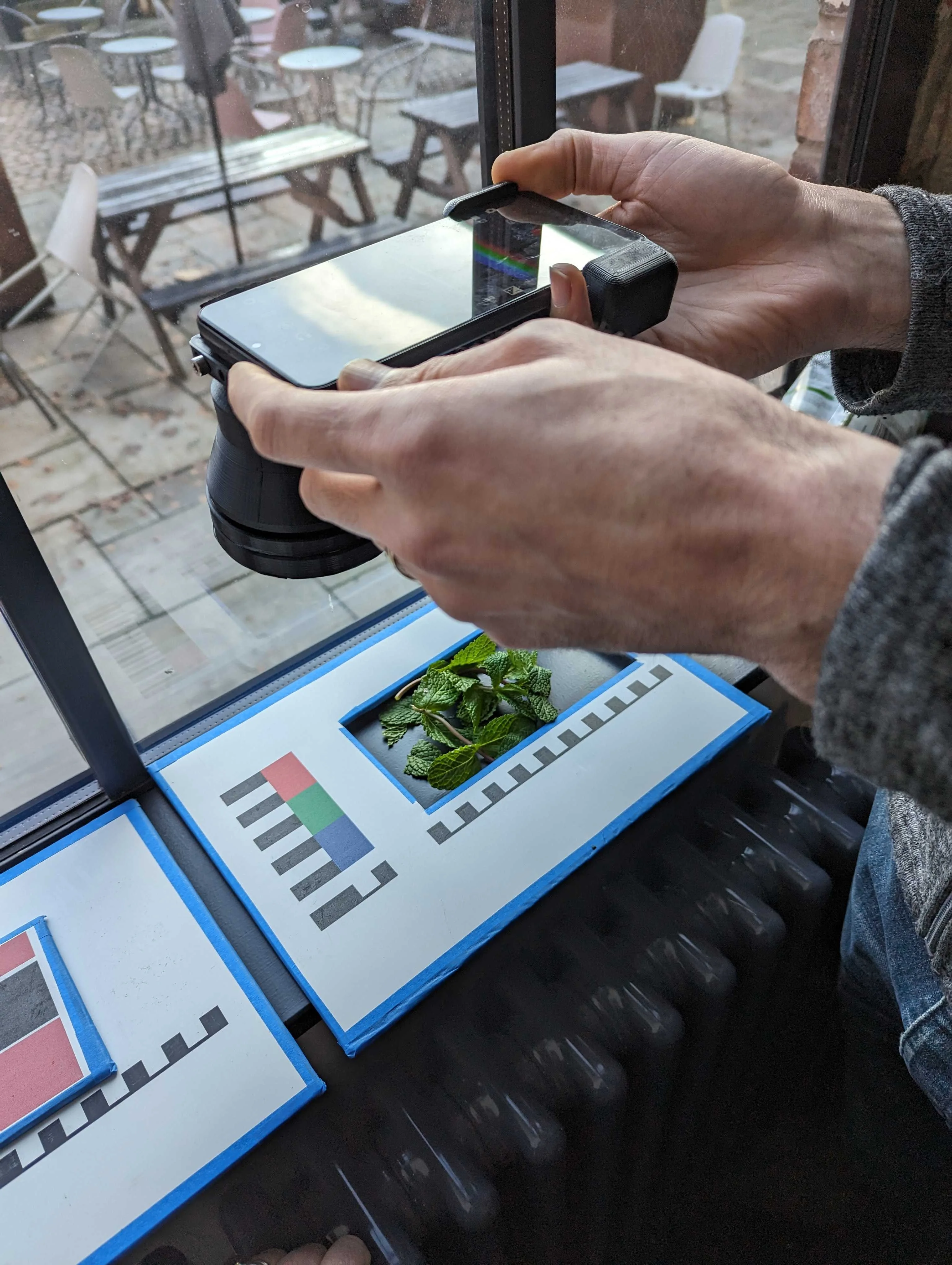
PyrOptik: Seeing the Invisible
Learn how Razor's rapid prototyping and user-centric software design revolutionised hyperspectral imaging during a major PyrOptik innovation sprint.

Revolutionising energy management at the AMRC
See how Razor built interactive energy dashboards for the University of Sheffield AMRC, transforming energy management into a sustainable movement.
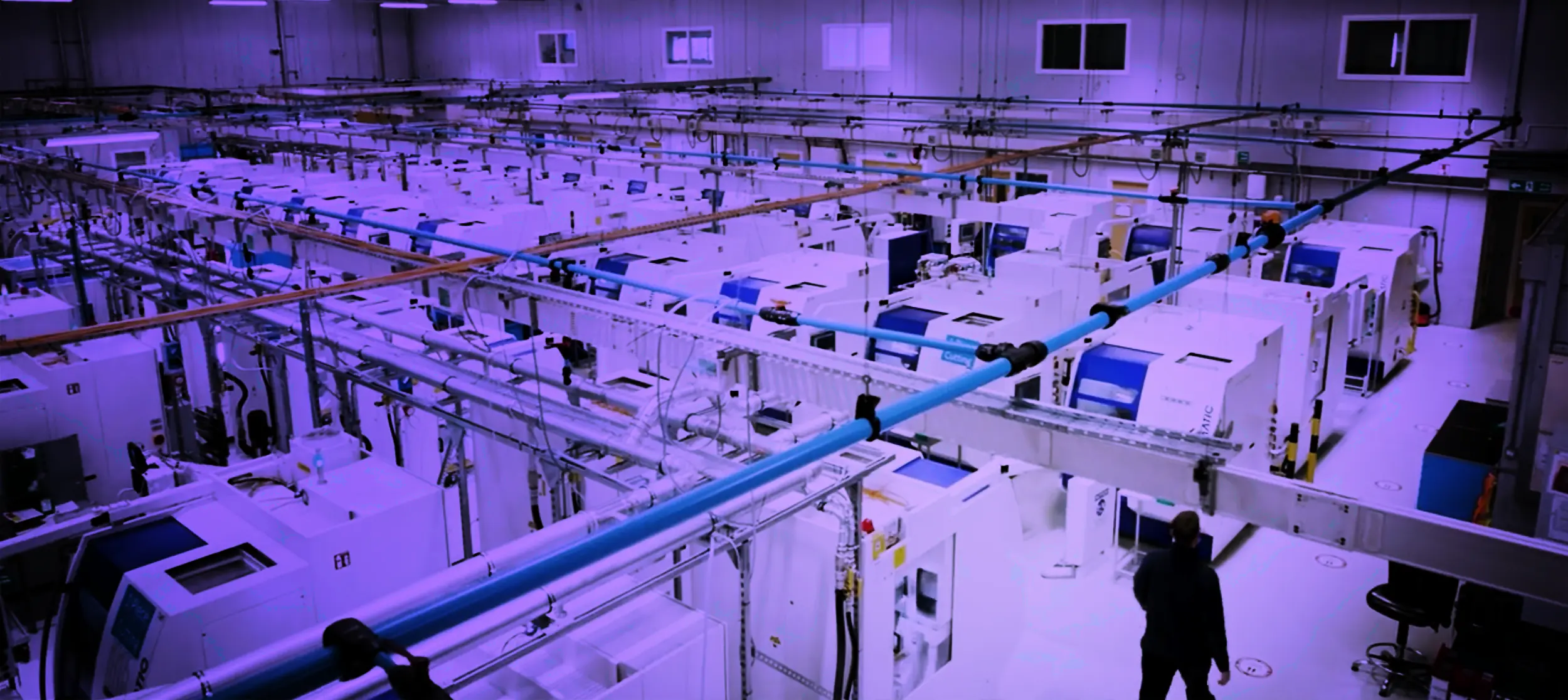
Prima Dental – Unlocking Productivity Through Digital Precision
See how Prima Dental used DataQI Insights to automate production data, gain real-time visibility and improve CNC manufacturing efficiency by 6%.