

Razor’s short innovation sprint approach allowed us to unlock the full capability of the smartphones imaging system quickly and validate our measurement methodology assumptions. Clearly specified sprint goals allowed rapid customer feedback proving product viability and capability at pace.

Ready to harness the power of AI?
Discover how intelligent data solutions can transform your complex challenges.
The Opportunity
Imagine walking down a line of growing lettuces. To the naked eye, they all look perfect. Green, crisp, healthy. But one of them is dying. You just can’t see it yet. Now, imagine if you could spot that disease four days before a human eye ever could. The impact? Massive. Farmers stop wasting water and nutrients on a lost cause. The disease doesn’t spread to the healthy crop. Yields go up. Waste goes down.
This isn’t science fiction. It’s hyperspectral imaging, capturing the full light spectrum of a pixel to identify a material’s unique chemical fingerprint. PyrOptik, a pioneer in high-temperature industrial measurement, had built a groundbreaking algorithm to do exactly this. But they had a challenge. A big one.
The Challenge: Mobile Constraints
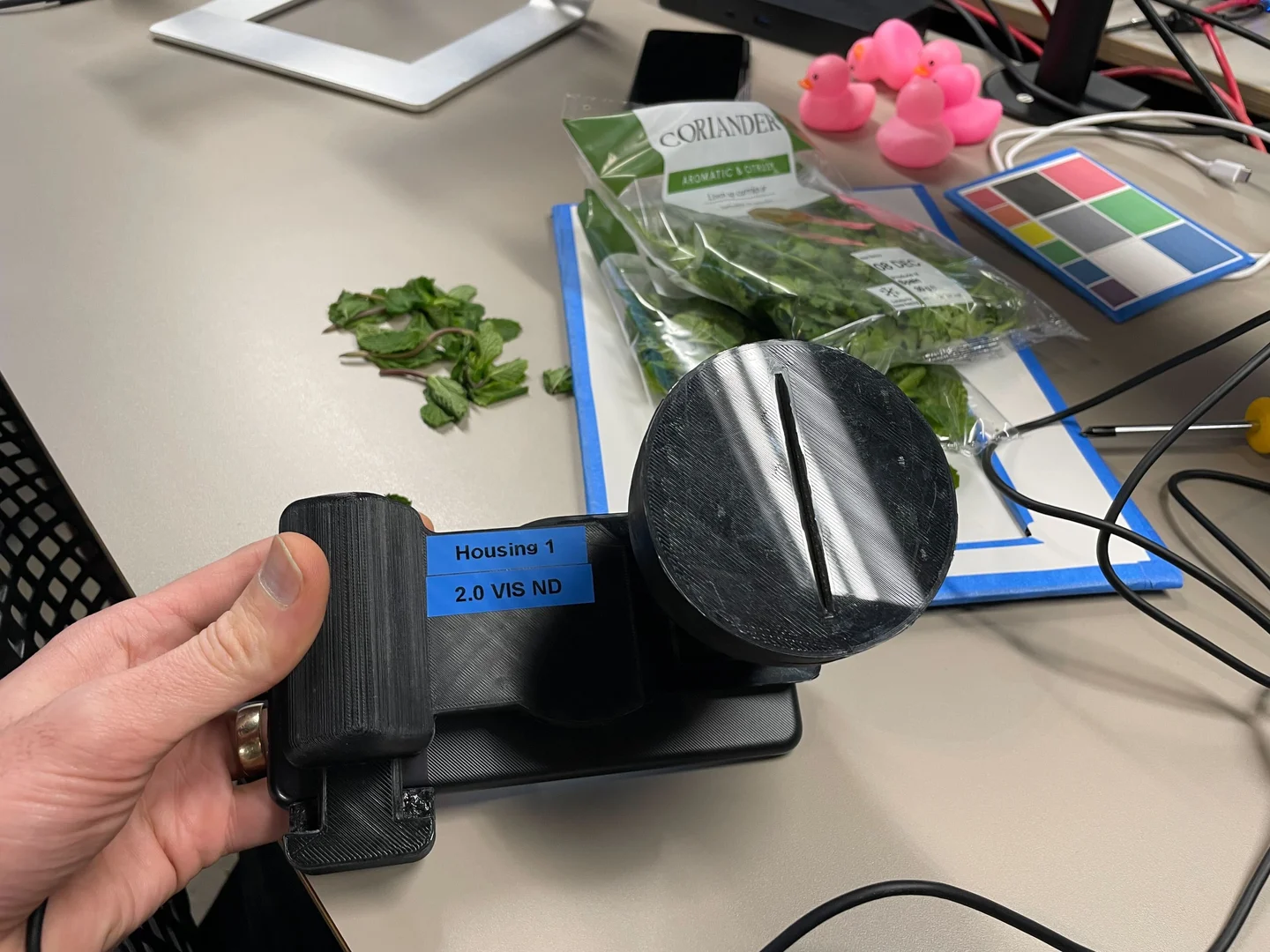
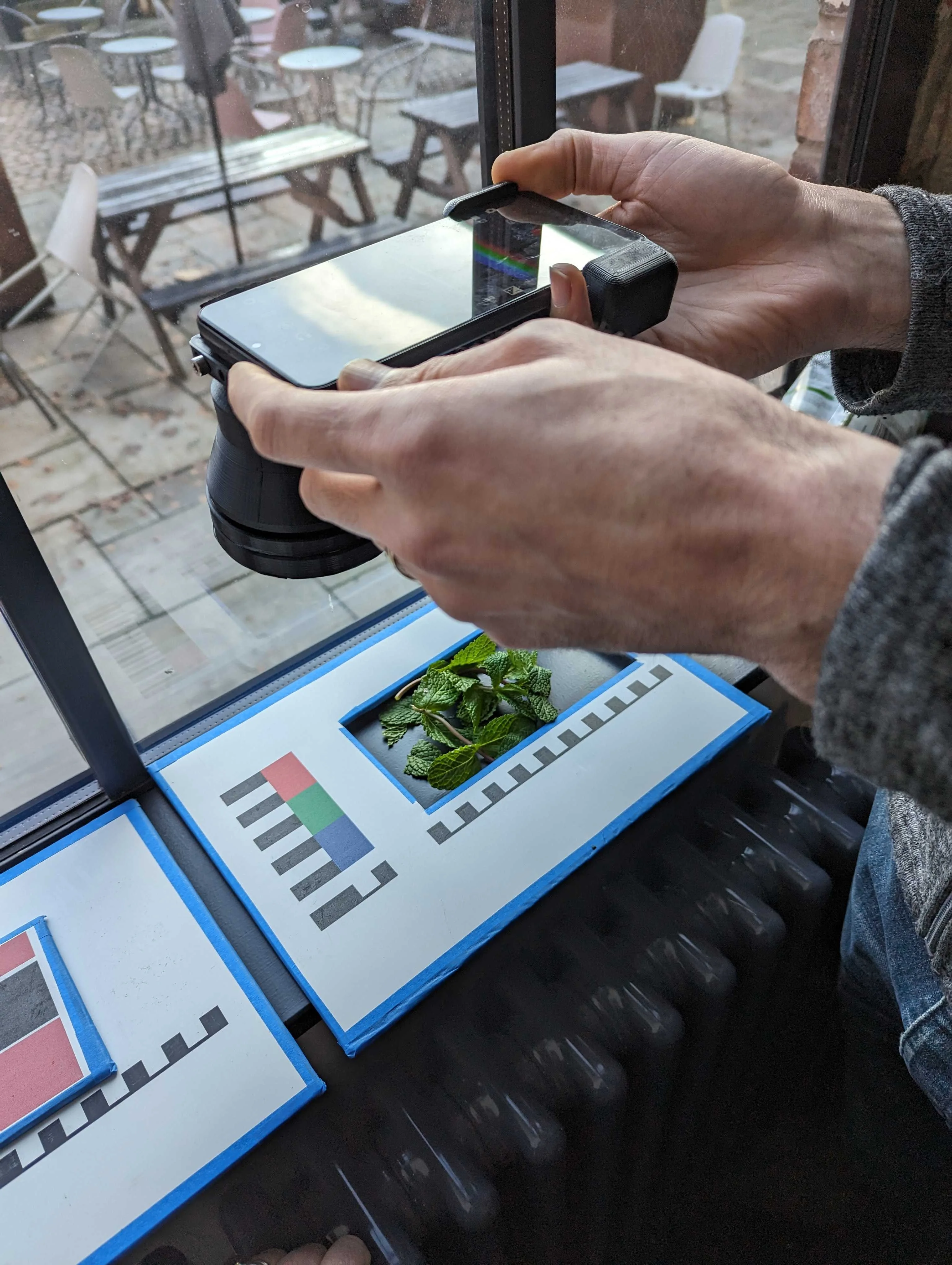
PyrOptik had the maths. They wanted to create ChromaMapper, a product that would commoditise this technology, making it small, affordable, and usable on a standard mobile phone. But taking an algorithm designed for high-end industrial gear and making it work on a consumer smartphone? That is a minefield of unknowns. Could a device built for Instagram selfies really survive an industrial environment?
We needed total control over the hardware. Exposure time. Autofocus. White balance. But demanding that level of performance drains power. Would the battery even survive the workload? Then there’s the data avalanche. To get accurate answers, we needed a torrent of high-resolution photos captured in rapid succession.
The Solution: De-Risking with Innovation Sprints
At Razor, we don’t run away from the 'too hard' basket. We live there. We didn’t start by writing code blindly. We started by de-risking. We deployed our Innovation Sprint, a Razor framework designed to tackle hard technical challenges without betting the farm. We call it 'de-risking on every corner.'
We broke the mountain down into climbable steps, starting with Discovery & Prototyping. We didn't guess what features users wanted; we built prototypes and user flows that engineering could immediately sink their teeth into. Then we moved to a time-boxed Phase 1 MVP, avoiding endless development cycles. Working in short feedback loops allowed PyrOptik to pivot based on real trial data, not assumptions.
The Result: Evidence, not Guesswork
In a matter of months, PyrOptik went from a risky question mark to ChromaMapper, a working, testable product in the hands of real users. Risk was neutralised. We validated the tech before committing huge budgets. Speed was accelerated as real-world feedback started flowing immediately. PyrOptik turned a complex research problem into a commercial reality. They didn’t just build an app; they built a future where we can see the invisible.
Diving deeper into Razor
Your Next Move

Revolutionising energy management at the AMRC
See how Razor built interactive energy dashboards for the University of Sheffield AMRC, transforming energy management into a sustainable movement.
Unified Mobile App Strategy
Uncover how Razor unified disparate mobile applications for Virgin Trains East Coast, stripping software bloat and streamlining core staff operations.
Global Energy Demand Prediction
See how Razor moved TotalEnergies to Azure Databricks MLOps, enabling scalable machine-learning workloads and energy forecasting across 130 countries.