

Ready to harness the power of AI?
Discover how intelligent data solutions can transform your complex challenges.
The unstable foundation of AI
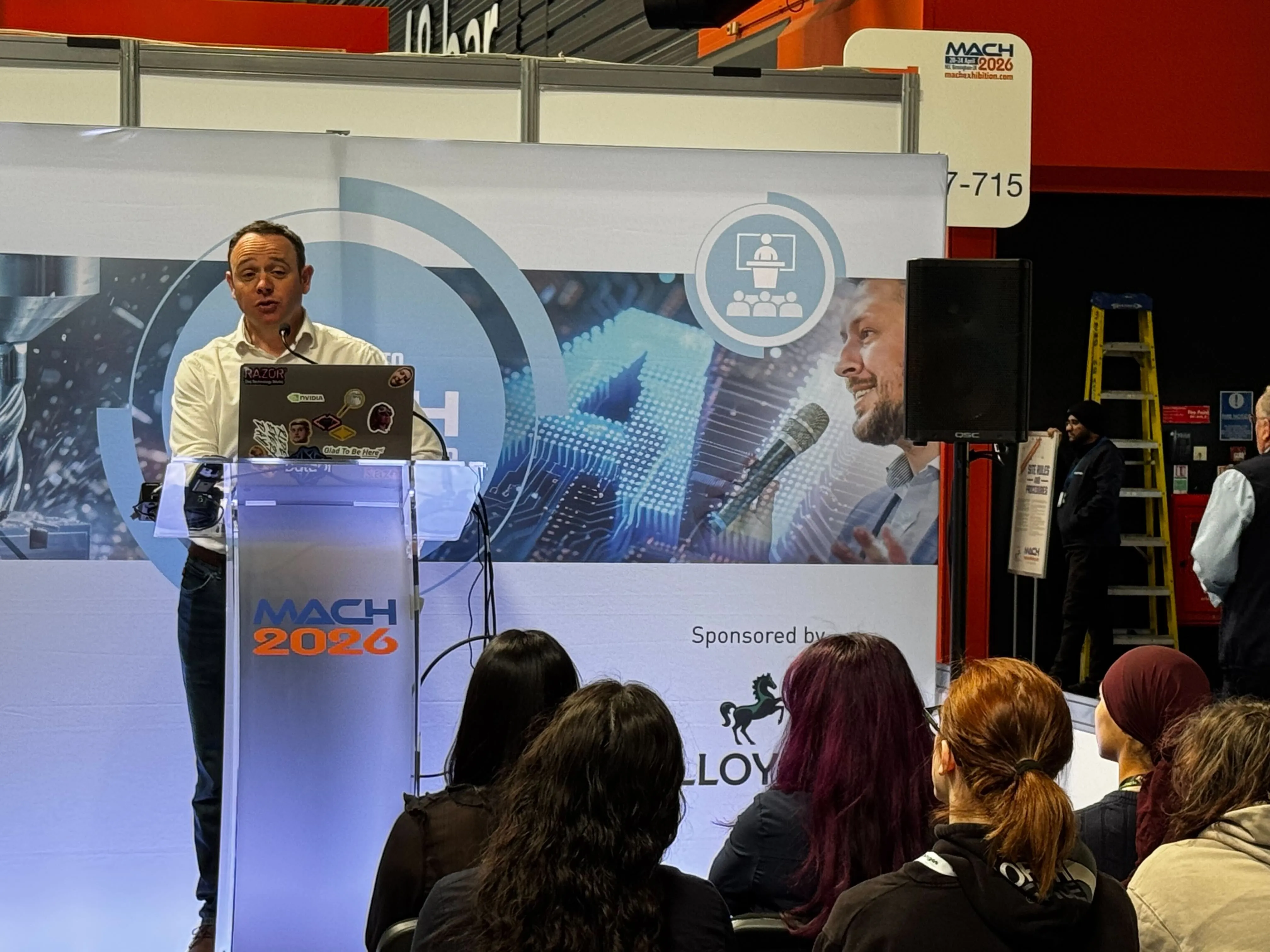
When preparing to adopt AI, most businesses look at the latest models and capabilities. However, Shiv, data scientist at Razor, argues that the first place to start is your own data health.
You need to understand how much data is manually handled, isolated in offline spreadsheets, or held together by ad hoc fixes. Unstructured, messy data is the single biggest barrier to meaningful AI integration. If critical processes rely on 'magic spreadsheets', the foundation isn't stable enough for automation.
The scale of this problem is significant. According to IBM's 2023 Cost of a Data Breach report, 85% of organisations report that poor data quality directly impacts their AI and analytics initiatives, while IDC estimates that bad data costs businesses an average of $12.9 million per year in failed AI projects and wasted engineering time. For manufacturers specifically, McKinsey estimates that only 11% of companies have achieved AI implementation at scale - with data quality consistently cited as the primary barrier.

When data debt becomes AI debt
AI models learn directly from the data they receive. If the existing datasets are noisy, inconsistent, or constantly rewritten through manual processes, the model will learn this noise instead of actual patterns.
As you scale from an SME to an enterprise, those early ad hoc fixes become extremely brittle. Introducing AI into this shaky mix simply converts your existing data debt into AI debt. Your AI initiatives will crawl, becoming slower, significantly more expensive, and returning gibberish rather than reliable insights.
Gartner's research reinforces this: organisations that invest in data quality programmes before initiating AI projects are 2.2 times more likely to achieve their targeted business outcomes. The cost of cleaning data retrospectively - after an AI model has already been trained on corrupted inputs - averages four to five times more than establishing clean data pipelines from the outset.
The Data Readiness Audit: Where to Start
Before committing to any AI vendor or model selection, Razor's data engineers recommend a structured audit across four dimensions:
- Data Completeness: What percentage of your critical business records are fully populated? Any figure below 85% completeness in key operational fields signals a high-risk foundation.
- Consistency: Are the same entities represented the same way across all systems? Mismatched customer IDs, product codes, or date formats are a common failure point when building unified AI pipelines.
- Timeliness: How stale is your data when it reaches your decision-making layer? Real-time AI requires near-real-time data feeds. Batch processes updated weekly cannot support operational intelligence.
- Ownership: Does each data asset have a named owner responsible for its accuracy? Ownerless data degrades predictably and rapidly.
Running this audit before engaging any AI vendor will save significant time, money, and credibility - both internally and with your technology partners.
Dashboards vs Decisions
When the messy data is finally cleaned, you'll feel the change. A sure sign of AI readiness is when conversations stop asking 'Are these numbers right?' and instead pivot towards 'What do we do about these numbers?'.
Furthermore, many dashboards fail because they simply throw metrics at users. Unless a dashboard is designed with a very specific decision-making process in mind, it becomes an added source of stress. A disciplined data environment enforces clear ownership and definitions, turning metrics into tangible operational or commercial improvements. Only then is an environment truly ready for proper AI implementation.
More from our team
Keep Reading

The Era of Agentic Token Economics
Learn how engineering teams control agentic AI token costs with smaller models, efficient context management and production-focused architecture.

From Pilot Purgatory to Production: Why the UK’s New AI Manufacturing Plan Gets It Spot On
Chris Dungey’s AI Adoption Plan strips away the sci-fi and focuses on real factory-floor outcomes. Here is why we love it.
Making Manufacturers Superhuman: Why AI is Your New Best Teammate
Explore Making Manufacturers Superhuman: Why AI is Your New Best. Read practical guidance and perspectives from Razor’s technology specialists.
Diving deeper into Razor
Your Next Move
Artificial Intelligence
Explore Razor's practical artificial intelligence services for automating operations, improving decisions and delivering secure enterprise AI solutions.

AI Activation & Proof of Value
Stop guessing where AI will help. Razor's AI Activation engagement helps you identify high-value use cases, map data readiness, and build working Proofs of Value.

Razor Works
Razor Works provides continuous software delivery with predictable monthly fees, sovereign UK NVIDIA compute and secure, measurable engineering outcomes.