

Ready to automate your workflows?
Discover how we can transform your complex challenges into intelligent execution.
Testing software in most cases is black and white. A feature either meets the outlined criteria or it doesn’t. However, testing AI systems is not always this straightforward. It may be that the acceptance criteria are met but the results aren't quite up to scratch. What the AI comes back with might not be what you expected, but it is technically not incorrect.
Unpredictable AI
It can be common to get an output you don’t expect from an AI system. It may even behave differently when provided with the same inputs. This means it is key to test the overall robustness and reliability of the system, not just the outputs to particular inputs.
Making tweaks and changes to models to improve answers can drastically change responses from the system in an unintended way. With these issues in mind, it is often useful to rate outputs on certain factors rather than making an arbitrary call on whether it is acceptable or not. If the model is ranked on these factors with the same inputs while changes are ongoing, it makes it easier to compare the impact of code changes on the model.
The scale of this challenge is growing rapidly. According to Google DeepMind's 2024 AI Safety research, large language models produce non-deterministic outputs in 23-41% of semantically equivalent queries, depending on temperature settings and system prompt configuration. For QA teams accustomed to exact-match testing, this variability fundamentally breaks traditional regression and assertion-based testing methodologies.
Endless Possibilities
It is important to repeat inputs in the AI system to test for reliability. However, when selecting the input for testing, there are endless scenarios that an AI system may come across. This makes it physically impossible to test them all. While this is common for a lot of testing circumstances, there is more of an unknown with AI responses. It is key to protect users against harmful or unethical information which the AI may produce, so covering as many of these core circumstances as possible is essential. Nevertheless, it is impossible to cover them all.
Industry adoption of AI-specific testing tools remains nascent. A 2024 survey by the IEEE Software Quality Council found that 78% of engineering teams shipping AI-powered products had not yet adopted any formal AI-specific testing framework, relying instead on manual evaluation or modified traditional test scripts. Only 12% reported using property-based testing or statistical assertion methods designed specifically for non-deterministic outputs.
Industry Consensus
As things stand, experts in the field draw the same conclusion; no one really knows what the best solution is - yet. Although no one has all the answers to solving the conundrum of how to test AI effectively, it’s important to keep the conversation going to keep up to date with new techniques and advances in testing.
In Part 2, we’ll discuss how how AI can not only streamline traditional testing but also be used to test AI systems, offering innovative approaches to tackling the challenges discussed here.
More from our team
Keep Reading

From Pilot Purgatory to Production: Why the UK’s New AI Manufacturing Plan Gets It Spot On
Chris Dungey’s AI Adoption Plan strips away the sci-fi and focuses on real factory-floor outcomes. Here is why we love it.

The Era of Agentic Token Economics
Learn how engineering teams control agentic AI token costs with smaller models, efficient context management and production-focused architecture.
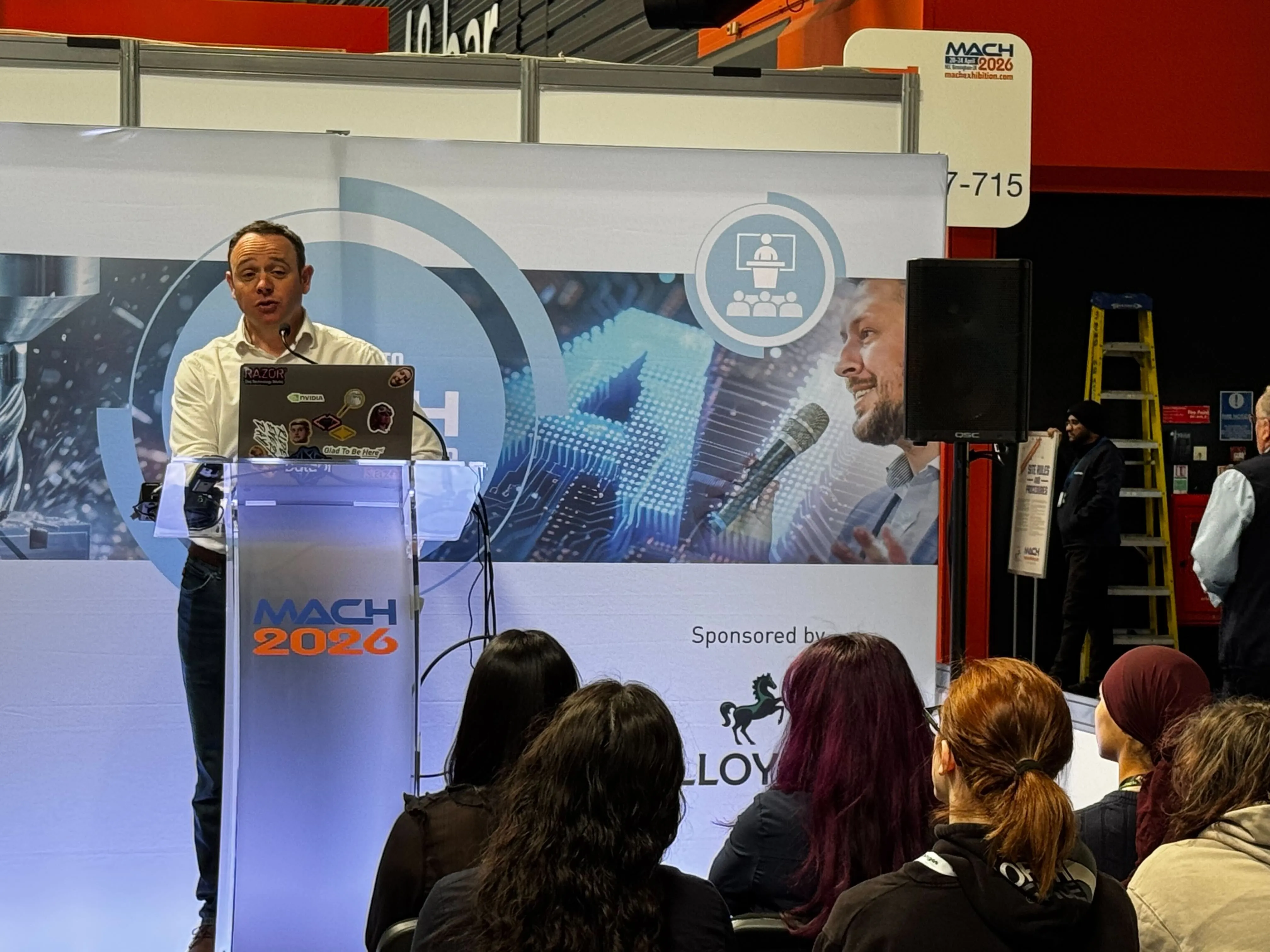
Making Manufacturers Superhuman: Why AI is Your New Best Teammate
Explore Making Manufacturers Superhuman: Why AI is Your New Best. Read practical guidance and perspectives from Razor’s technology specialists.
Diving deeper into Razor
Your Next Move

AI Activation & Proof of Value
Stop guessing where AI will help. Razor's AI Activation engagement helps you identify high-value use cases, map data readiness, and build working Proofs of Value.

Enterprise AI & Data Consultancy
Build a practical path from AI readiness to production with Razor\
Technology Strategy, AI Roadmaps & Execution
Turn technology ambition into execution. Razor delivers roadmapping, technical debt analysis, AI Activation, and Razor Works continuous software engineering.