


Ready to automate your workflows?
Discover how we can transform your complex challenges into intelligent execution.
The Strategic Imperative of AI and Empathy
Razor’s CEO & Founder, Jamie Hinton, delivered a keynote at the AI and Leaders summit-part of the AI Tech North Innovation Exchange. The core focus: addressing the challenges, skepticism, and ultimate solutions for widespread AI adoption across enterprise businesses.
In true Razor fashion, Jamie articulated the big picture for Artificial Intelligence. We are entering a reality where human evolution and continuous learning must thrive alongside algorithmic systems. For technology leaders facing doubts and friction towards AI deployment, this provides a blueprint for pragmatic leadership.
Spoiler Alert: AI won't take over the world just yet. But it will accelerate those who adopt it.

Why AI Deployment Speed is Critical
AI possesses the sheer power to disrupt legacy conventions. It polarises traditional perspectives and fundamentally accelerates execution speed far beyond historical technological shifts.
Impact on Global Architecture
AI serves precisely where human cognitive load breaks down. We excel in nuanced judgment and empathy, but algorithmic systems can process vast datasets instantaneously to inspire us to perform better.
Machine learning models are currently collaborating with musicians to generate remarkable rhythms, while generative design algorithms are providing completely novel perspectives in structural engineering and architectural design.
Navigating the Narrow AI Era
We are currently operating within the era of 'Narrow AI'-highly specialised functions designed to amplify everyday operational tasks. These are the immediate advances enterprise leaders must harness to maintain a competitive advantage before General AI matures.
Prime examples include speech interfaces like Google Assistant, generative autocomplete models, and autonomous frameworks like Tesla's Autopilot.
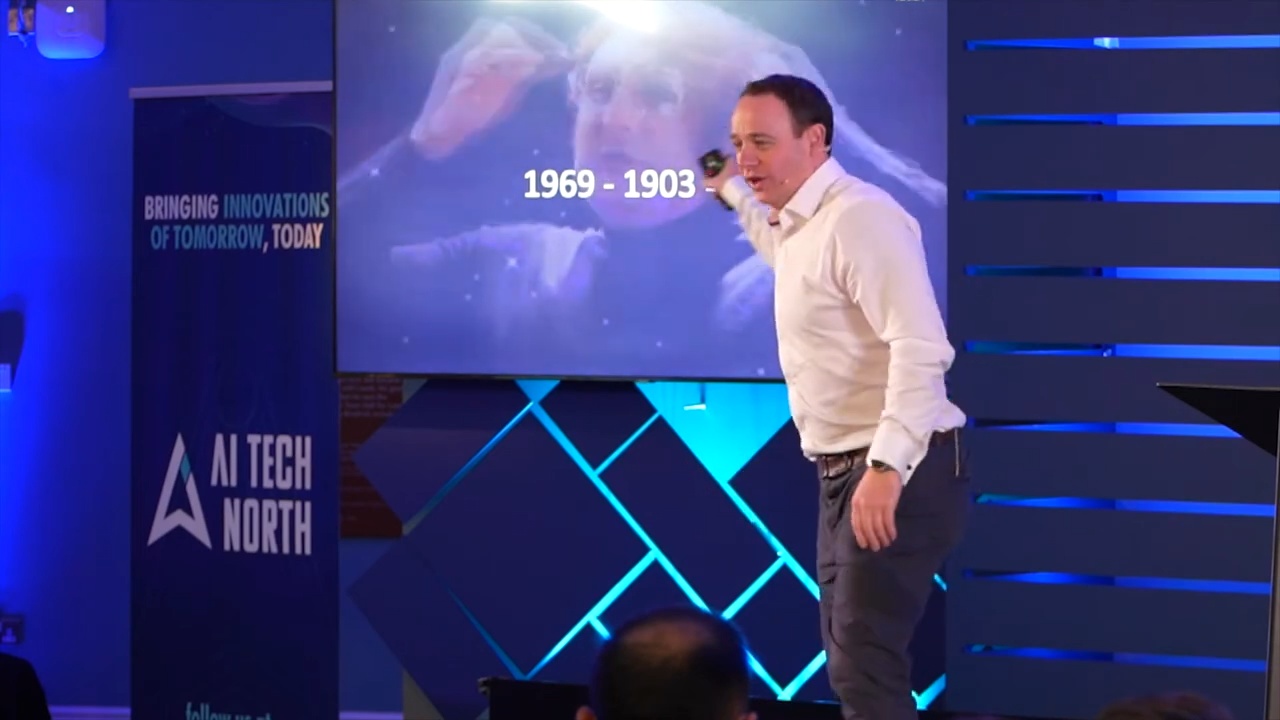
Transitioning from Tech Leader to AI Leader
Leadership requires transparent communication. To deploy AI effectively, you must first get your people entirely on board. Leaders need to paint a compelling vision of a future where human capital remains highly valuable, with technology acting strictly as an amplifier for their capabilities.
For AI to genuinely work in production, psychological safety and trust in the underlying data are non-negotiable.
Attempting to steamroll digital transformation by blindly ripping and replacing legacy systems is a proven failure mechanism. Like any digital shift, successful AI implementation must begin with human empathy.
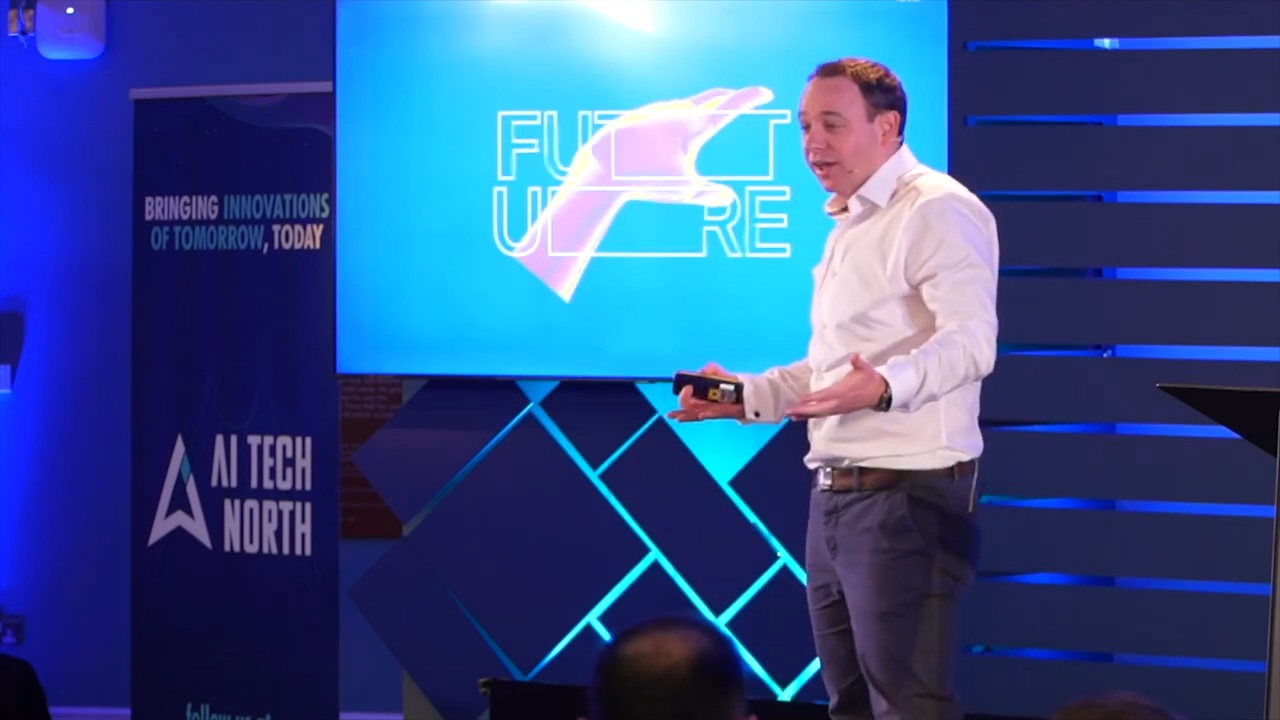
The Core Ingredients for AI Implementation
There are three fundamental pillars to successfully deploying an agentic data project in production:
- Data Engine (The Fuel): Often insufficient or unrefined. You need the right data, not just big data.
- Interface (The Friction): You must consider the cognitive load required for your team to interact with the system.
- People (The Navigators): Make adoption seamless to reduce operational inertia.
The Empathy Protocol
We must demonstrate genuine empathy for how AI will impact job structures and daily routines. Plug-and-play AI does not exist; integration requires nuanced understanding and guided transition periods.
If you think you've tried everything during a stalled AI pilot, think again. Start small, validate assumptions with micro-deployments, evaluate fail states as highly valuable intelligence, and once you identify a robust model-scale it relentlessly.
More from our team
Keep Reading

Beyond ChatGPT: Why Fine-Tuning Small Models is the Ultimate Enterprise Advantage
Learn how fine-tuned small language models and LoRA adapters can improve enterprise AI accuracy, privacy and cost control beyond public frontier models.

AI Innovation Sprint: De-Risking Manufacturing AI
How to go from idea to working proof-of-concept in weeks. Discover how manufacturers can rapidly validate AI use cases, control risk, and build momentum.

From Pilot Purgatory to Production: Why the UK’s New AI Manufacturing Plan Gets It Spot On
Chris Dungey’s AI Adoption Plan strips away the sci-fi and focuses on real factory-floor outcomes. Here is why we love it.
Diving deeper into Razor
Your Next Move

AI Activation & Proof of Value
Stop guessing where AI will help. Razor's AI Activation engagement helps you identify high-value use cases, map data readiness, and build working Proofs of Value.

AI Fast-Track: 30-Day Operational AI Deployment
Deploy DataQI to your high-friction workflows with ready-to-go MCP connectors and pre-built agentic skills to prove measurable ROI on live data in 30 days.
Enterprise Data Infrastructure & BI Engineering
Unify fragmented data with production-grade data lakes, ETL pipelines and automated BI dashboards designed to support reliable AI.